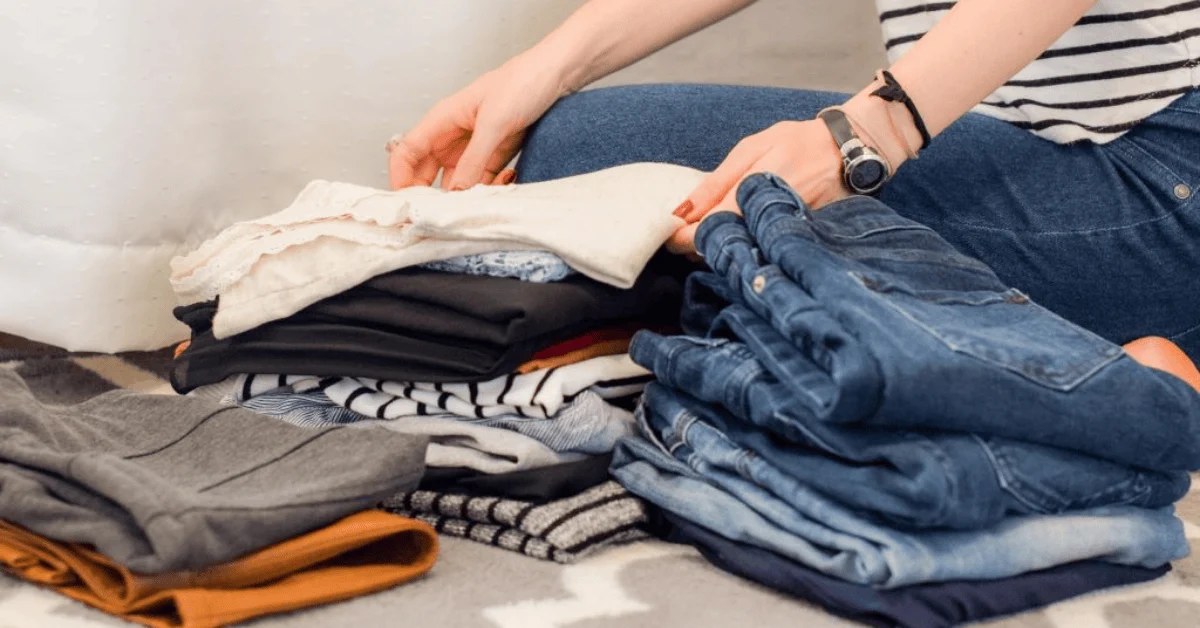
Clothes take up a lot of space in every home, regardless of family size. Even when moving from a studio apartment, properly preparing clothes for the move takes time, and some mistakes are unavoidable, affecting efficiency, organization, and the condition of your garments.
When preparing for a move, you can either hire professional movers paramountmoving.ca/victoria/service/residential-victoria-movers/ to help with packing or pack yourself. If you choose to pack yourself, it’s important to be aware of the most common packing challenges to avoid them and keep your moving schedule on track.
Overpacking and excessive volume
Clothing accumulates quickly, and many people underestimate how much space it takes up. Without sorting it first, packing everything can lead to unnecessary boxes and higher moving costs.
Solution: Sort clothes by season, how often they are used, and their condition. Before packing, donate, sell, or recycle items that are no longer needed.
Wrinkling and fabric damage
Improperly folding or compressing clothes in boxes can cause deep wrinkles and distortion of the fabric, particularly for delicate garments.
Solution: Use wardrobe boxes to hang clothes, and wrap delicate items in tissue paper or garment covers to help them keep their shape.
Mixing clean and worn clothing
During a busy move, clean clothes may be packed with worn items, which can lead to odors or hygiene issues.
Solution: All clothes should be washed and dried before they are packed, and laundry-in-progress should be clearly separated into designated bags.
Poor organization and labeling
Unpacking clothes that have been packed haphazardly is time-consuming and frustrating, especially when items are needed immediately after moving.
Solution: Pack by category or by room occupant and clearly label boxes with their contents and priority level. For example, label a box “daily wear” or “work clothes.”
Inadequate protection from moisture and dust
Clothes can absorb moisture, dust, and odors while being transported or stored, especially during long-distance moves.
Solution: Use plastic-lined boxes, vacuum-sealed bags, or waterproof garment bags to protect your clothes.
Damage to specialty or high-value garments
Suits, dresses, uniforms, and formal wear require special handling. These items may be damaged if folded incorrectly.
Solution: Pack specialty garments individually in garment bags and transport them upright whenever possible.
Loss of small accessories
It’s easy for items such as belts, scarves, socks, and underwear to become separated or misplaced during packing.
Solution: Place small items in labeled pouches or packing cubes and put them in clearly marked boxes or suitcases.
Delayed access to essential clothing
If you pack all your clothes at once, you may not have appropriate attire for the first few days in your new home.
Solution: Pack a clearly labeled “Essentials” bag with a few days’ worth of clothing, sleepwear, and seasonal outerwear.